October 18, 2026
Milia What Are They? And How Do You Do Away With Them?
By @gregorywcia673
❦
Exactly How Can I Eliminate Milia?
- You'll frequently locate them on the cheeks, nose, and around the delicate eye area, seemingly without any cause or injury.
- Eye lotions are typically thicker and more occlusive than creams utilized on the rest of the face.
- They are typically an aesthetic concern that some individuals choose to have removed.
Do milia typically go away?
Milia do not need to be treated, and they normally vanish within a couple of weeks to months. But you might intend to remove the bumps earlier for cosmetic reasons. Like any type of other skin irregularity, don't choose at a milium (the singular kind of milia). That''ll just make it worse.
When Should I Look For Medical Focus?
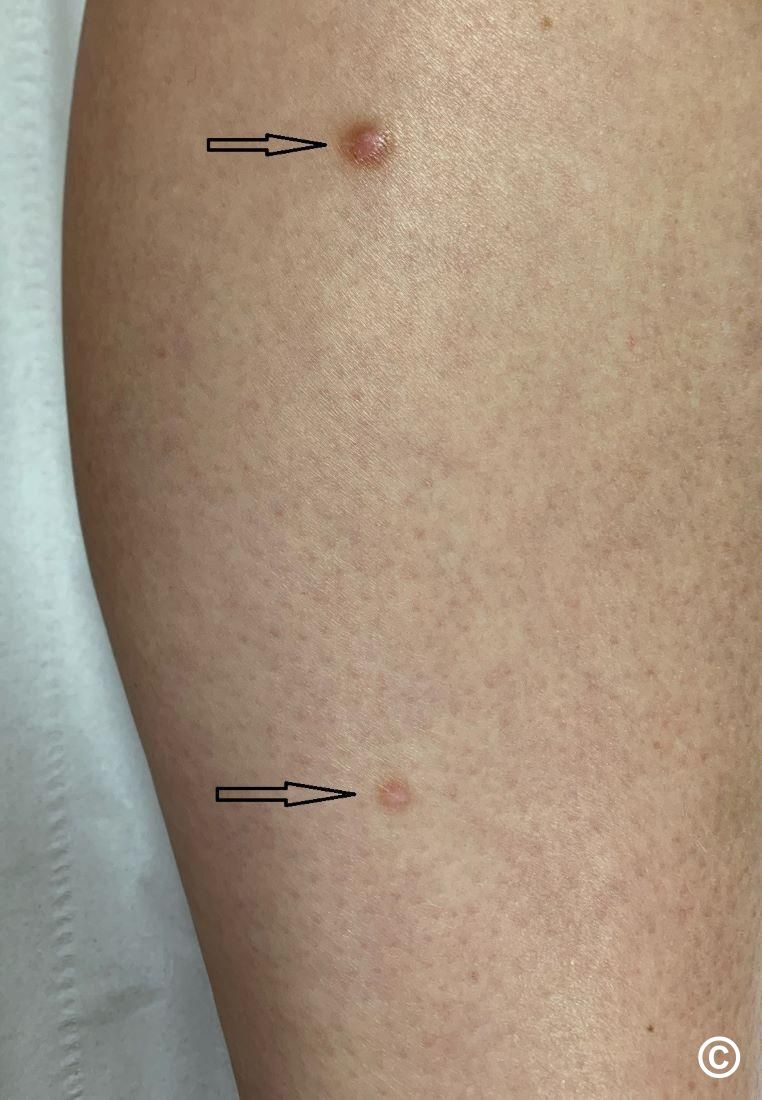
The items you lovingly apply and the strategies you use might be unintentionally developing the excellent storm for these little keratin bumps, specifically if you have delicate or responsive skin. After that you have secondary milia, which are a straight result of skin trauma or damages. Consider your skin's recovery process like a building team promptly paving over a roadway. If a tiny bit of debris (in this situation, keratin) gets left, it can come to be secured under the brand-new surface area, developing a milium. Have you ever before saw a small, pearly white bump on your face that just ... remains? No content on this site need to ever before be made use of as a substitute for straight medical guidance from your physician or other certified medical professional. Milia will certainly usually go away on their own, however in cases where they do not, topical retinoids are generally prescribed. Milia can also be promptly excised by a dermatologist in an expert setting. If they do not, or a person has Cryosonic's fast and painless mole removal great deals of milia, individuals can talk with a physician. They sometimes become a single entity yet are a lot more frequently organized in collections of the same or differing size. Pre-existing conditions such as eczema, rosacea, and seborrheic dermatitis (face "dandruff") might also urge the formation of milia. Finally, milia can appear as a result of injury or injury to the skin, such as burns, sores, or acne. When the skin is injured, it may produce excess keratin, a healthy protein that creates the outermost layer of the skin and hair, which can obstruct the pores and cause milia.❧